
Leadership Development
Six rounds. Forty-five sessions. Two fixes that reshaped the whole product.
The risk
Launching a flagship product and not finding out it confuses people until it's already live and the damage is done.
The challenge
Find out, before launch, whether the navigation, content, and gamification in a new mobile app actually worked for real users.
What I did
Designed and ran six rounds of usability testing across the full app lifecycle, from first launch through a 360-degree leadership assessment tool
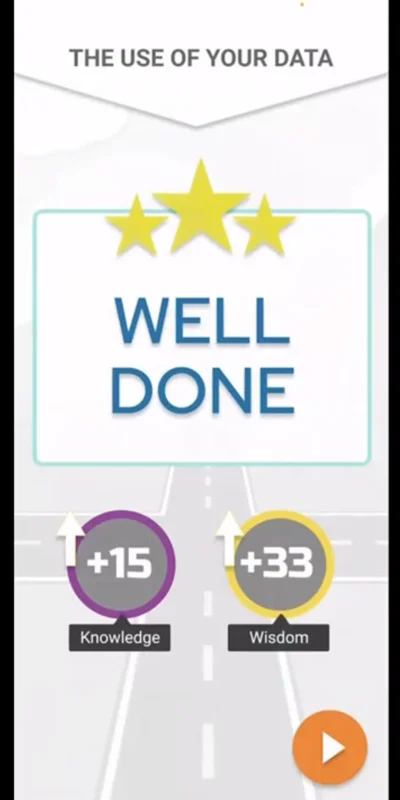
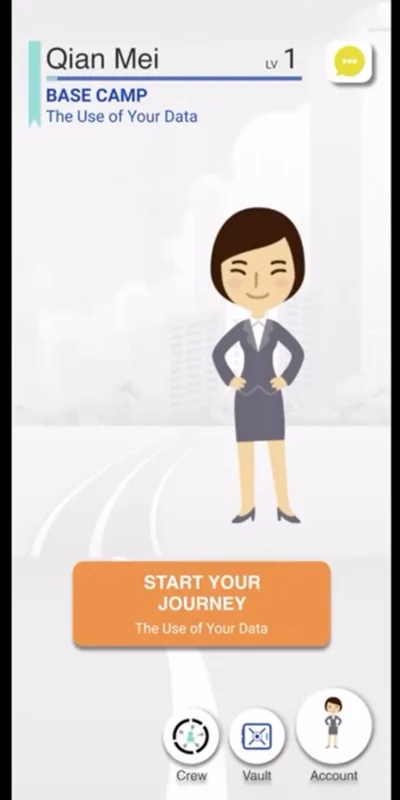
Conducted roughly 45 moderated sessions testing five distinct modules: onboarding, goal setting, content delivery, gamification mechanics, and the 360 assessment
Tested each round iteratively: findings from round one shaped what we tested in round two, so the research was moving the product forward, not just documenting it
Flagged a navigation pattern that was causing consistent orientation failure — participants couldn't tell where they were in the app — and worked directly with the design team on the fix
From the project
What changed
A navigation fix and a content redesign that moved the whole product.
Found a navigation pattern that consistently confused users about where they were in the app; the redesign that followed fixed it. Found that people skip long paragraphs and respond to visuals and audio, which reshaped content across the whole product, not just one screen. The content finding turned out to be structural: it wasn't just that specific screens had too much text. It was that the product's entire information model assumed reading. It didn't. That's the kind of finding you only get from watching 45 people use something.
During testing, Matt was amazing at working with the users. His questions elicited thought out responses, his patience in working with the users and the tools was saint-like. All in all, I couldn't ask for a better research partner.
Phillip Zannini, UX Director, Center for Creative Leadership
Have a question like this?
Let’s talk about your project.
Every engagement starts with a conversation about the decision you’re trying to make.