Here's a sample of the work I've led across industries, company sizes, and problem spaces. Each project started with a real question a team needed answered and ended with something they could actually act on.
Understanding The Challenges Of Auto Repair
Industry: Automotive | Methods: Contextual Inquiry, Journey Mapping, Concept Testing, Usability Testing, Surveys, Service Blueprinting
A national automotive parts supplier under new executive leadership needed to understand a confusing, three-sided ecosystem — motorists, repair shops, and parts stores — and find the friction points holding all three back.
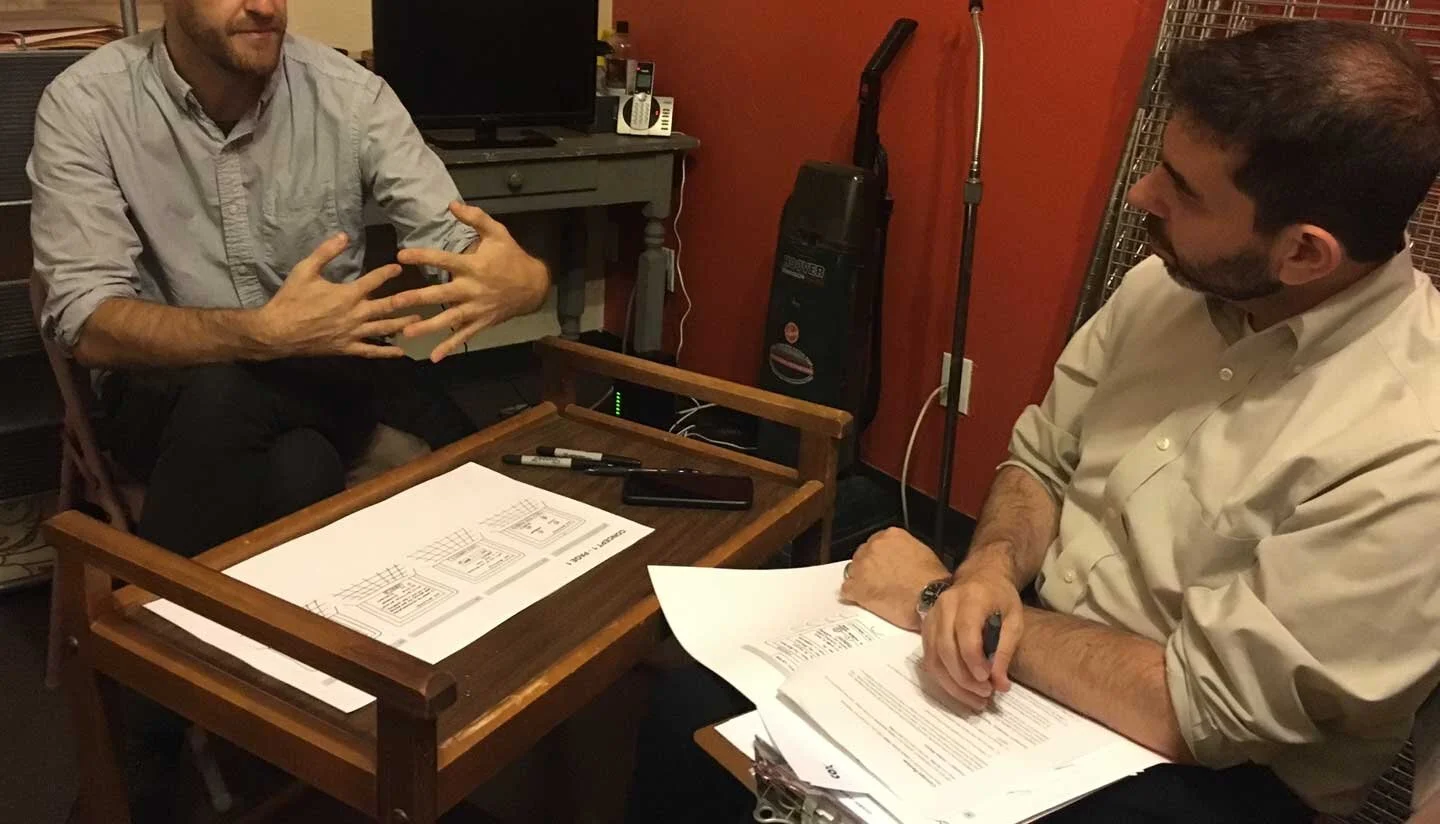
Over nine months, we ran three phases of research: remote interviews and concept testing with motorists, contextual inquiries at repair shops, and in-store field visits with parts stores and distribution centers across three states. We rode along with delivery drivers, interviewed technicians on the shop floor, mapped the supply chain from warehouse shelf to repair bay, and connected all three journeys into a single deliverable.
This deliverable became the foundation of a multi-year digital transformation program focused on making independent repair shops more efficient and profitable.
Additionally, part of the core team was hired to stay on and rebuild the client's UX Research department from the ground up.
Customer Discovery for a Marketing Platform
Industry: Small Business Marketing | Methods: Concept Testing, Usability Testing
Small businesses were at the center of this engagement from the start.
The client builds tools that help small business owners market themselves, which made this research a direct window into the challenges of running a business when everything around you is uncertain. I spoke to owners post-COVID-19, who were navigating a platform while simultaneously trying to keep their businesses alive.
I designed and led a series of studies covering two questions: how small business owners were actually using the platform day to day, and what the real impact of the pandemic was on how they communicated with their customers.
The findings shaped product decisions and customer outreach strategy. The team used them to make targeted improvements to the experience for the exact users who needed the most support at the worst possible time.
Service Design Research for Business Customers
Industry: Telecom | Methods: Contextual Inquiry, Concept Testing, Journey Mapping, Workshop Facilitation, Usability Testing, Service Design, Future State Blueprinting
The scale of this engagement often surprises people. Over six months, we conducted 32 in-person interviews across 5 markets and facilitated 8 employee workshops to understand where business customers were hitting friction and what an ideal experience would actually look like.
The billing research produced one of the more useful segmentations from any project I've run: three distinct small business payment behaviors, each with different needs, workflows, and tolerance for change. That taxonomy shaped how the product team thought about feature prioritization and customer communication going forward.
The deliverables were service blueprints that tied customer needs directly to internal processes and technology requirements. Teams used them to execute their project roadmaps.
Concept Testing for a New Product Launch
Industry: Fintech | Methods: Structured Focus Group, Concept Testing
The client needed consumer input on early design concepts for a new credit card rewards program. They came in expecting traditional focus groups. After getting clear on their actual goals, I redesigned the study from the ground up: structured individual evaluations first, then facilitated group discussions. This ensured every participant's reaction was captured before the room could influence itself.
The result was cleaner data, more honest feedback, and a clear story to take upstairs. Executives used the findings to greenlight the product's strategic direction with confidence.
In-Home Research for a Gaming Accessory Brand
Industry: Gaming | Method: Contextual Inquiry
Sometimes the best way to understand a customer is to show up where they actually live.
For this project, I conducted in-home contextual inquiry interviews with target users in their own spaces, including apartments and dorm rooms, to understand how gaming product fit into their daily lives. Not how they described their habits in a survey, but what those habits actually looked like in practice.
In-home research surfaces things a lab or a Zoom call never will. You see the workarounds people have built, the environments they're working in, and the gap between what they say they do and what they actually do. That gap is usually where the most useful findings live.
The research led directly to an innovation workshop where the team identified entirely new product directions they hadn't previously considered. Some of the participant language found its way into marketing messaging. The team also started to focus on new market segments that we learned about in the research.
If you've been relying on remote interviews and want to know what your customers' lives actually look like, contextual inquiry is worth adding to your toolkit.
Making Genetic Test Results Understandable
Industry: Healthcare | Methods: Usability Testing, Moderated Interviews
Some research problems are really communication problems in disguise.
The client was developing a product to share personal genome information directly with consumers. The science was sound. The challenge was making it understandable to someone who isn't a doctor, doesn't have a science background, and is reading their results alone at home.
We ran in-person and remote interviews combined with usability testing to understand three things: how people felt about genetic testing in general, whether they could navigate the signup process, and whether they could actually make sense of what their results meant.
The findings shaped how the team translated dense scientific information into plain language, and where the product needed to slow down and explain itself rather than assume understanding.
If your product deals in complex information, whether that's financial data, medical results, legal terms, or technical specs, the underlying problem is the same. People need to understand what they're looking at before they can trust it or act on it. That's a research problem worth solving early.
Journey Mapping for Internal Support Teams
Industry: Technology | Methods: Journey Mapping
The client wanted to find automation opportunities inside their internal support operations. That was the stated goal. But what made this engagement stick was what happened alongside the research.
While mapping workflows and interviewing 19 support team members, we built the client's internal research capability at the same time. By the end of the engagement, the team knew how to identify problems, structure studies, and keep digging on their own without bringing in outside help.
For teams weighing whether to hire a fractional researcher or invest in internal capability, this project is a good example of why that's a false choice. You can do both at once.
A few of the teams I've worked with