

Technology
You can't automate a process you don't understand. So we mapped it first.
The bet
Needing research depth to scale, without the budget for a full-time team yet, and not wanting to depend on outside help forever.
The challenge
Map internal support workflows and find automation opportunities, while building the internal capability to keep investigating after the engagement ended.
What we did
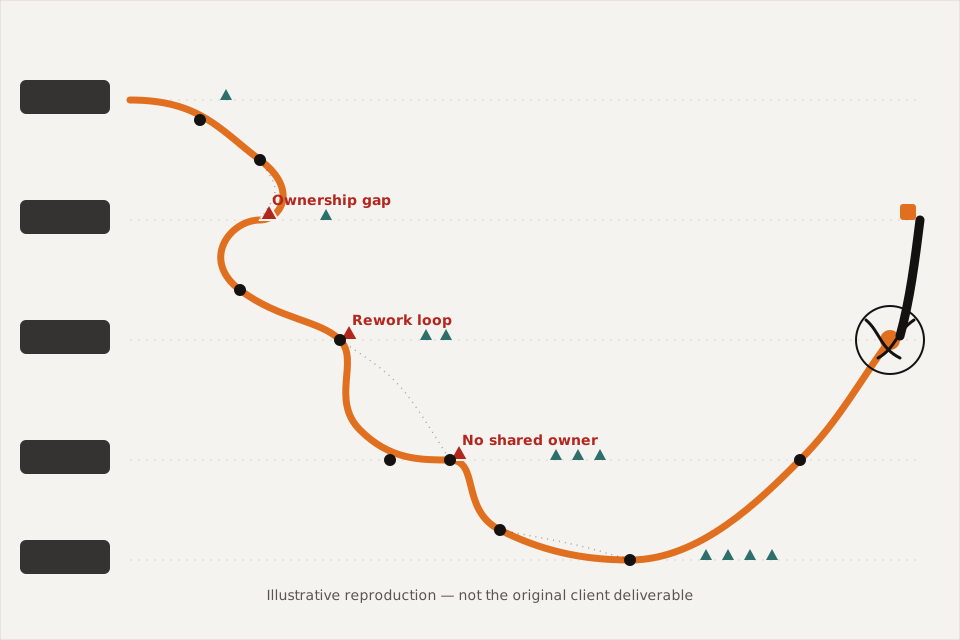
Interviewed 19 support team members and mapped their workflows end to end: what happened when, who owned each step, and where informal workarounds had grown up around broken processes. Those workarounds were the most important finding. They're the places where the official process and the real process had diverged, which is exactly where automation either adds the most value or creates the most new problems.
Built the team's internal research capability alongside the engagement itself, so they could keep asking those questions after the work ended
From the project
What changed
Documented workflows and a team equipped to keep going.
The support team had never written down how they actually worked. By the end of the engagement, they had. Leadership got a clear map of where automation would reduce friction versus where it would just move the problem downstream. And the team walked out with enough research skill to keep asking those questions themselves. Most consulting engagements end with a handoff. This one ended with the client not needing one.
Have a question like this?
Let’s talk about your project.
Every engagement starts with a conversation about the decision you’re trying to make.